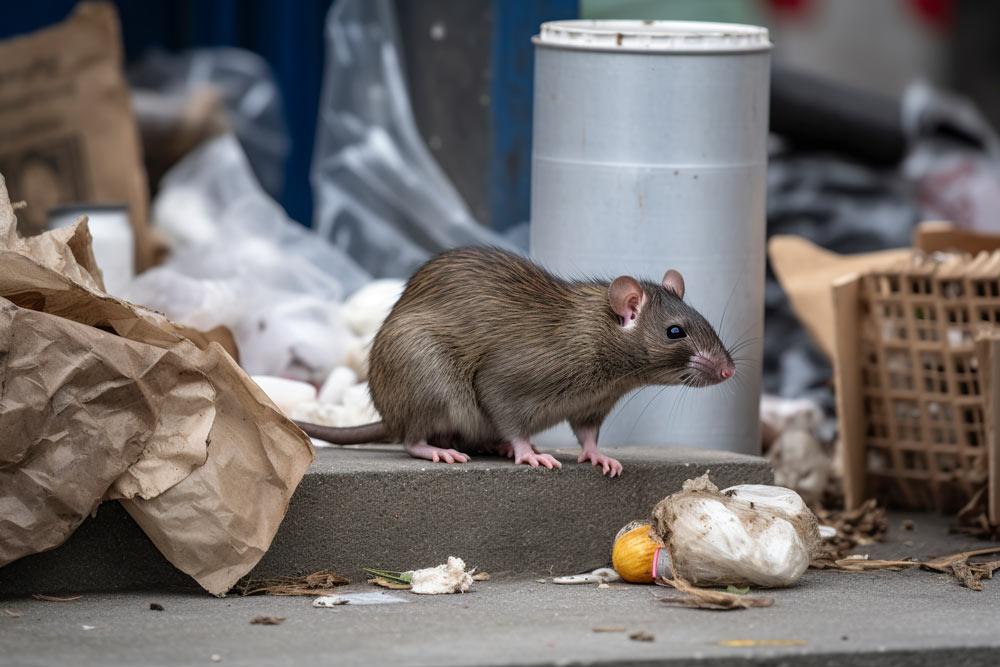
Rats are notorious for spreading diseases, causing structural damage, and contaminating food sources. If you suspect a rat infestation in your home, it is crucial to address the problem quickly and effectively. This blog post will guide you through the steps to safely remove a rat infestation, from identifying the problem to implementing long-term prevention measures.
1. Identifying a Rat Infestation
Before taking action, confirm that you have a rat infestation by looking for the following signs:
- Droppings: Rat droppings are small, dark, and pellet-shaped. They are often found near food sources or along pathways rats frequent.
- Gnaw Marks: Rats have strong teeth and will gnaw on wood, wires, and other materials, leaving distinctive marks.
- Noises: Scratching or scurrying sounds in walls, ceilings, or floors, especially at night, indicate rat activity.
- Nests: Rats build nests using shredded paper, fabric, or other soft materials. These nests are usually hidden in dark, secluded areas.
- Footprints: In dusty areas, you may notice rat footprints or tail marks.
- Grease Marks: Rats leave an oily residue on walls or surfaces where they travel frequently.
2. Assessing the Severity of the Infestation
Understanding the extent of the infestation will help determine the most appropriate course of action.
- Light Infestation: A few rats can be managed with traps and bait.
- Moderate Infestation: Multiple signs of rat activity may require a combination of traps, bait, and possibly professional assistance.
- Severe Infestation: Extensive damage and numerous rats call for immediate professional pest control intervention.
3. Implementing Immediate Control Measures
Once you have confirmed the presence of rats, take immediate action to control the infestation.
A. Using Traps
Traps are a safe and effective method for capturing rats.
- Snap Traps: Traditional snap traps are quick and humane, killing rats instantly.
- Live Traps: These traps capture rats alive.
- Placement: Place traps along walls, in dark corners, and near suspected entry points. Use bait such as peanut butter, cheese, or fruit.
B. Using Bait Stations
Bait stations can help reduce rat populations but must be used with caution.
- Poison Bait: Only use poison bait in tamper-resistant bait stations to protect children and pets. Follow the manufacturer’s instructions carefully.
- Non-Toxic Bait: Consider non-toxic options if you have pets or small children. These products are safer but may be less effective for severe infestations.
C. Sealing Entry Points
Prevent rats from entering your home by sealing all possible entry points.
- Inspect Your Home: Look for gaps, cracks, and holes around your home’s exterior, including the foundation, walls, roof, and vents.
- Seal Openings: Use steel wool, hardware cloth, or caulk to seal small openings. Larger gaps may require repairs with more substantial materials.
4. Removing Food and Water Sources
Eliminate sources of food and water that attract rats to your home.
- Store Food Properly: Keep food in sealed containers, and avoid leaving food out overnight.
- Clean Regularly: Maintain a clean kitchen and dining area, and promptly clean up spills and crumbs.
- Secure Garbage: Use tightly sealed garbage cans, and dispose of trash regularly.
- Fix Leaks: Repair any leaky pipes or faucets to remove water sources that rats might use.
5. Maintaining a Clean and Uncluttered Environment
A tidy environment can deter rats from settling in your home.
- Declutter: Remove piles of paper, cardboard, and other materials that can be used for nesting.
- Organize Storage Areas: Keep storage areas neat and organized, and use plastic bins instead of cardboard boxes.
- Yard Maintenance: Trim vegetation and keep your yard clean to reduce hiding spots for rats.
6. Monitoring and Follow-Up
Continue to monitor for signs of rat activity and take action as necessary.
- Regular Inspections: Periodically check for new signs of rats, especially in areas where you previously found activity.
- Reset Traps: Reset traps and bait stations as needed, and dispose of captured rats promptly.
- Professional Checkups: If the problem persists, consider scheduling regular inspections with a pest control professional.
7. When to Call a Professional
In some cases, professional help is the best option for effectively removing a rat infestation.
- Persistent Infestation: If you have tried DIY methods without success, it’s time to call a professional.
- Large Infestation: A large number of rats requires specialized equipment and expertise.
- Health Concerns: If you are concerned about the health risks associated with rats, a professional can ensure a thorough and safe removal.
8. Preventing Future Infestations
Once you have removed the rats, take steps to prevent them from returning.
- Seal Entry Points: Regularly inspect and maintain your home’s exterior to keep it rat-proof.
- Maintain Cleanliness: Continue to store food properly, clean up promptly, and keep your home clutter-free.
- Monitor Regularly: Stay vigilant for signs of rat activity and address issues promptly.
- Use Preventative Measures: Consider using traps and bait stations as preventative measures, especially in areas prone to rat infestations.
Conclusion
Dealing with a rat infestation can be challenging, but by following these steps, you can safely and effectively remove rats from your home. Start by identifying the problem, assessing the severity, and implementing control measures such as traps, bait stations, and sealing entry points. Maintain a clean and uncluttered environment, monitor for signs of activity, and call a professional if necessary. By taking these actions and implementing preventative measures, you can protect your home from future rat infestations.
For expert assistance in dealing with rat infestations, contact Hobbs Wildlife. Our professional team offers safe and effective pest control solutions tailored to your needs. Don’t let rats take over your home – reach out to us today for a thorough and reliable pest control service.