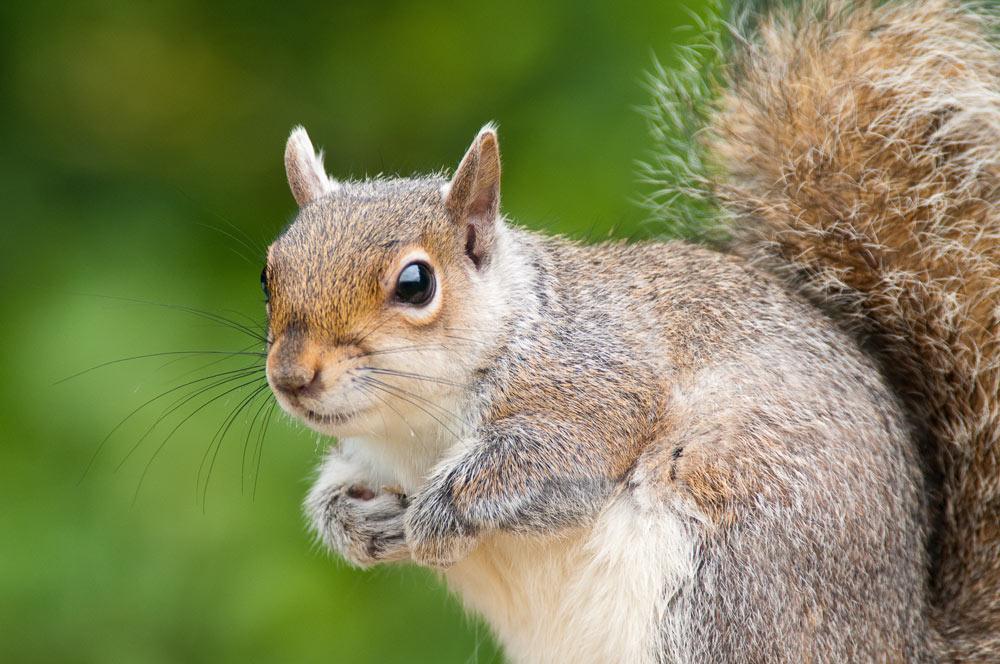
Squirrels can be delightful to watch as they scurry about in the wild. However, when they invade your home or garden, they can cause significant damage and become a nuisance. Recognizing the signs of a squirrel infestation early can help you address the problem before it escalates. In this blog post, we will explore the top signs that indicate you may have a squirrel infestation and offer some tips on what to do if you suspect these furry intruders have taken up residence in your property.
1. Noises in the Attic or Walls
One of the most common signs of a squirrel infestation is hearing unusual noises coming from your attic or walls. Squirrels are diurnal creatures, meaning they are active during the day, so you are more likely to hear these sounds in the morning or late afternoon.
- Scratching and Scurrying Sounds: These noises are typically a result of squirrels moving around, nesting, or chewing on materials.
- Chirping or Squeaking: Squirrels communicate through a variety of vocalizations, so you may hear these sounds as well.
2. Droppings and Urine Stains
Squirrels, like most pests, leave behind droppings and urine stains. These can often be found in areas where squirrels are active.
- Droppings: Squirrel droppings are typically dark brown or black, and about the size of a raisin. Finding these in your attic or around your home is a clear sign of their presence.
- Urine Stains: Squirrels will urinate in their nesting area, leading to noticeable stains on ceilings or walls. These stains can also cause unpleasant odors.
3. Damage to Insulation and Wiring
Squirrels have a natural tendency to chew on various materials, including insulation and wiring, which can lead to significant damage and even pose fire hazards.
- Chewed Insulation: Squirrels may tear up insulation to create nesting materials, leading to reduced insulation efficiency and higher energy bills.
- Damaged Wiring: Squirrels gnaw on electrical wires, which can result in power outages, electrical malfunctions, or fire risks.
4. Nests in the Attic
Squirrels build nests, known as dreys, to live in and raise their young. These nests are typically constructed from twigs, leaves, and other materials they find.
- Nests in the Attic: If you find a nest in your attic, it is a strong indicator that squirrels have moved in.
- Nest Materials: Look for nests made of twigs, leaves, and shredded insulation or paper.
5. Entry Points and Damage to Your Home
Squirrels need to create entry points to access your home. These can often be found around your roofline, vents, and other potential access points.
- Chewed Holes: Look for small, chewed holes around your roofline, soffits, fascia, and vents.
- Damaged Shingles or Siding: Squirrels may damage shingles or siding as they attempt to gain entry.
6. Increased Squirrel Activity Around Your Home
Observing increased squirrel activity around your home, especially near the roofline or in your garden, can be a sign of an infestation.
- Frequent Sightings: Seeing more squirrels than usual around your property could indicate they have found a new home nearby.
- Squirrels Entering and Exiting: Watch for squirrels repeatedly entering and exiting your home, particularly around the roof or eaves.
7. Strange Odors
A squirrel infestation can produce strange, unpleasant odours due to droppings, urine, and nesting materials.
- Musty Smells: A musty smell in your attic or walls can indicate squirrel activity.
- Decomposing Carcasses: In some cases, squirrels may die within your walls or attic, leading to strong, foul odours as they decompose.
8. Damage to Garden and Bird Feeders
Squirrels are notorious for raiding gardens and bird feeders. This can be a sign that they are also exploring your home for nesting opportunities.
- Eaten Plants and Vegetables: Squirrels will eat fruits, vegetables, and plants in your garden, leaving behind partially eaten produce.
- Raided Bird Feeders: Squirrels can empty bird feeders quickly, often leaving a mess behind.
9. Footprints and Tracks
Squirrel tracks can often be found in dusty or muddy areas around your home and garden.
- Footprints: Squirrel tracks typically show four toes on the front feet and five toes on the back feet.
- Tail Marks: You might also see tail marks alongside footprints in dusty or muddy areas.
10. Squirrel Sightings Indoors
Seeing a squirrel inside your home is a definite sign of an infestation.
- Squirrel in Living Areas: If a squirrel has ventured into your living space, it is likely that others are nesting within your home.
- Frequent Indoor Sightings: Multiple sightings inside your home suggest a significant infestation.
What to Do If You Suspect a Squirrel Infestation
If you notice any of these signs, it is important to take action quickly to prevent further damage and potential health risks. Here are some steps you can take:
1. Inspect Your Property
Conduct a thorough inspection of your home to identify entry points and signs of squirrel activity.
- Check the Attic: Look for nests, droppings, and chewed materials.
- Examine the Exterior: Inspect your roofline, vents, and eaves for entry points and damage.
2. Seal Entry Points
Once you have identified entry points, seal them to prevent squirrels from entering your home.
- Use Metal Flashing: Metal flashing can be used to cover holes and prevent chewing.
- Repair Damage: Fix damaged shingles, siding, and vents to eliminate access points.
3. Remove Attractants
Remove food sources and other attractants from around your home.
- Secure Trash Bins: Ensure trash bins are tightly sealed to prevent access.
- Remove Bird Feeders: Temporarily remove bird feeders to reduce food availability.
4. Contact a Professional
For a safe and effective solution, consider hiring a professional pest control service.
- Expert Assessment: A professional can accurately assess the extent of the infestation and identify all entry points.
- Humane Removal: Professionals can safely and humanely remove squirrels and implement measures to prevent future infestations.
5. Implement Preventative Measures
To prevent future infestations, implement preventative measures to make your home less attractive to squirrels.
- Trim Trees: Keep tree branches trimmed away from your home to prevent easy access.
- Install Squirrel Guards: Use squirrel guards on bird feeders and other vulnerable areas.
Conclusion
A squirrel infestation can cause significant damage to your home and pose health risks to your family. By recognizing the signs early and taking appropriate action, you can mitigate the impact and prevent future infestations. If you suspect a squirrel infestation, consider contacting a professional pest control service to ensure a safe and effective resolution. At Hobbs Wildlife, we specialize in humane and effective pest control solutions to protect your home and garden from squirrel infestations. Contact us today for expert assistance and peace of mind.