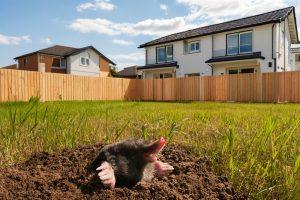
Moles are small, burrowing mammals that can cause significant damage to your lawn. While they play a role in the ecosystem by controlling insect populations, their tunneling activities can lead to unsightly lawns and compromised soil structure. In this blog post, we will explore the impact of moles on your lawn and provide effective strategies for preventing and mitigating mole damage.
1. Understanding Moles and Their Behavior
Before addressing the impact of moles, it’s important to understand their behaviour and why they tunnel.
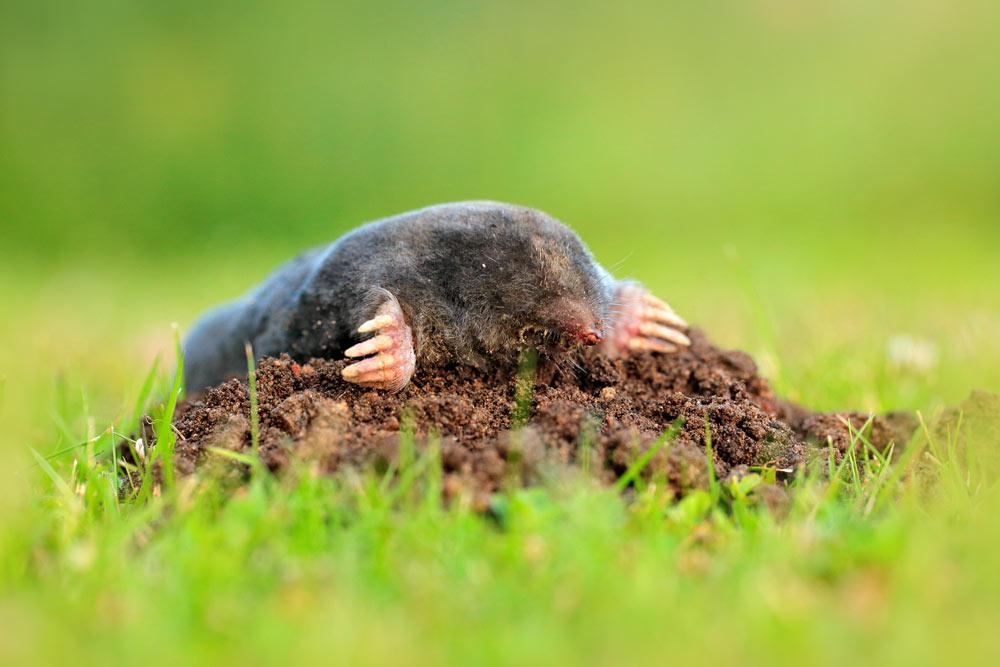
- Physical Characteristics: Moles have cylindrical bodies, powerful forelimbs with large paws for digging, and velvety fur.
- Diet: Moles primarily feed on insects, earthworms, and grubs, which they find underground.
- Tunnelling: Moles create extensive tunnel systems to search for food. These tunnels can be shallow (surface tunnels) or deep (main tunnels).
2. The Impact of Moles on Your Lawn
Moles can cause various types of damage to your lawn, including:
A. Surface Tunnels and Mounds
The most visible signs of mole activity are surface tunnels and molehills.
- Surface Tunnels: These raised ridges are created as moles burrow just below the surface in search of food. They can make mowing difficult and create tripping hazards.
- Molehills: Piles of soil pushed to the surface indicate deeper tunnels. Molehills can be unsightly and damage grass by smothering it.
B. Soil Structure and Plant Roots
Mole tunnelling can disrupt the soil structure and affect plant health.
- Soil Displacement: As moles dig, they displace soil, which can cause the ground to become uneven and unstable.
- Root Damage: While moles do not eat plants, their tunnelling can disturb plant roots, leading to stress and reduced growth.
C. Attraction of Other Pests
Mole activity can attract other pests that further damage your lawn.
- Secondary Invaders: The tunnels created by moles can be used by voles and other rodents that do feed on plant roots and bulbs.
- Increased Pest Presence: An abundance of moles indicates a high insect population, which can also affect plant health.
3. Managing an Existing Mole Infestation
If moles have already invaded your lawn, there are several methods to manage and remove them.
A. Trapping
Trapping is one of the most effective methods for removing moles.
- Types of Traps: Use mole-specific traps such as scissor traps or tunnel traps. Place traps in active tunnels for best results.
- Trap Placement: Identify active tunnels by flattening a section and checking if it is rebuilt within 24 hours. Place traps in these active areas.
B. Professional Pest Control
For severe infestations or if DIY methods fail, consider hiring a professional pest control service.
- Expert Assessment: A professional can accurately assess the extent of the infestation and recommend the most effective treatment.
- Safe and Humane: Professionals use safe and humane methods to remove moles and prevent future infestations.
4. Long-Term Mole Control
Achieving long-term mole control requires ongoing efforts and monitoring.
A. Regular Lawn Inspections
Regularly inspect your lawn for signs of mole activity and take action immediately if you notice new tunnels or mounds.
- Early Detection: Early detection and intervention can prevent a small problem from becoming a large infestation.
B. Seasonal Considerations
Mole activity can vary with the seasons, so adjust your control methods accordingly.
- Spring and Fall: Moles are most active in the spring and fall. Increase your monitoring and control efforts during these times.
- Winter and Summer: Moles may be less active during extreme weather, but continue to monitor for any signs of activity.
Conclusion
Moles can cause significant damage to your lawn, from unsightly tunnels and mounds to disrupted soil structure and plant health. Understanding the impact of moles and implementing effective prevention and control measures can help protect your lawn from these burrowing pests.
For expert assistance with mole control, contact Hobbs Wildlife. Our team of professionals is dedicated to providing humane and effective solutions to protect your lawn and garden from mole damage. Reach out to us today for a consultation and take the first step towards a beautiful, healthy lawn.